Identifying Hearing Loss
Identifying hearing loss can help individuals realize why communication may have been difficult. Or why they may have felt misunderstood or frustrated for not being sure of what is happening in different contexts.
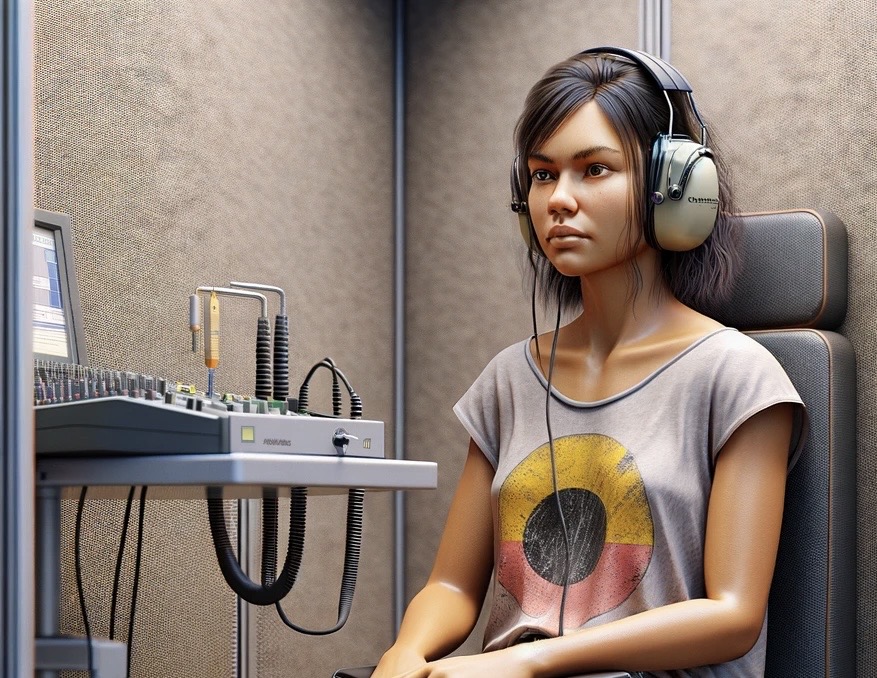
Learning about hearing loss can also help people improve communication. For example, they may be able to tell other people when there is too much background noise for them to hear what is being said.
Knowing if a First Nations NDIS participant has hearing loss is also crucial, as hearing loss can interact with and compound other disabilities. Games like “Blind Man’s Simon Says,” and screening tools such as the ‘Phoenix Listening Survey’, are helpful in indicating potential hearing loss.
If you suspect that someone you are supporting has a hearing loss, it is important to support them to have a formal audiometric assessment.
The Services Australia website has more information about where eligible people may be able to receive subsidised hearing tests and help to cover the costs of hearing devices.
https://www.servicesaustralia.gov.au/screening-tests-and-scans-covered-medicare?context=60092#a4
A formal hearing loss diagnosis can help some individuals access supports such as appropriate hearing aids, which for Barry in the case below was life changing.
Case Study
 Barry’s story
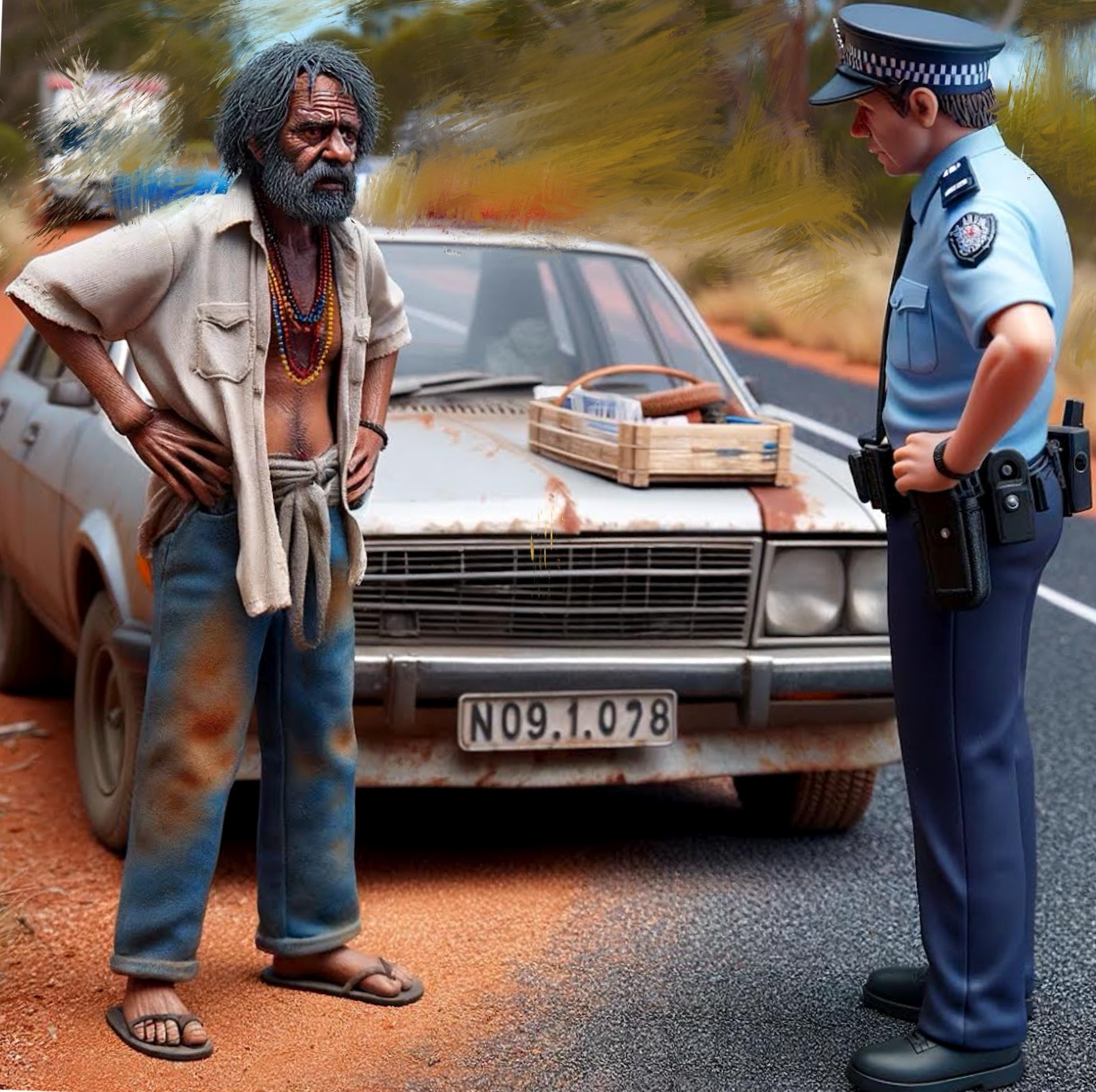
Barry, aged 45, experienced persistent middle ear disease growing up. But he didn’t realise that this had led to significant hearing loss. Barry was often excluded from family conversations, sitting with family members but rarely included in the discussion. He had also found it too stressful to join in work-related activities, because of the communication difficulties he experienced in working in teams.
More seriously, Barry’s hearing loss led to altercations with the police. One time, the police pulled Barry over in his car. They raised their voices when it was clear to them that Barry had trouble understanding them. However, this provoked anger and aggression from Barry. He couldn’t understand why they were shouting at him and got very angry. The situation escalated and he was arrested.
Barry had been trying to get a hearing‐aid for 20 years, but without success. When his hearing loss was first identified, he was too young to qualify for free hearing‐aids and too poor to afford to buy them. When Barry was eligible to receive free hearing‐aids, the process was so complex and required more literacy and phone communication skills than Barry had at the time. It was more than a year before he received appropriate hearing aids.
In the meantime, Barry was given a personal portable amplification device. With this relatively inexpensive device, Barry and his wife reported he was much less stressed and was now able to participate in family discussions and be more engaged in family life. He was able to participate more easily in culturally important hunting and fishing activities because he could hear people when they called out in the bush. Barry was also able to establish a more positive relationship with local police, as he could now have a conversation with them.
When Barry was finally fitted with hearing‐aids he was a changed man. He found the hearing aid even better than the portable amplification device. He was successful in gaining a supervisory position in his workplace. He described how both he and his family experienced much less stress and frustration now he had a hearing‐aid.
Adapted from: Phoenix Consulting, Submission to the Standing Committee on Health, Aged Care and Sport on Hearing Health and Wellbeing of Australians. Submission 112, pp 28-29.
Want to learn more?
Following identification of a hearing loss, a further medical evaluation can determine if surgical intervention may improve a person’s hearing. While this may not be a preference for everyone, for some people surgical treatments have significantly improved many people’s lives by improving their hearing. This was the case for Elaine Cox.As a teenager Elaine had surgical intervention that improved her hearing. This enabled her to become a teacher passionate about improving the life of children who, like her, experienced hearing loss during childhood. In these videos she describes her own and other’s hearing journey, both the challenges and what has helped her.
Video from lookafterkidsears.com.au
Once you are happy that you have understood this Topic - please select "Mark Complete" above.
To complete the Bina Gurri Yarns Course you must "Complete" all Topics.