Cultural influences
As we have learnt throughout these modules, our ways of communicating and engaging are often influenced by culture. Culture and cultural norms and expectations can also influence our behaviours. Like all cultures, Indigenous ways of knowing, doing and being are complex and not always easy for an outsider to understand. Indeed, there are many things an outsider may never be invited to learn about.
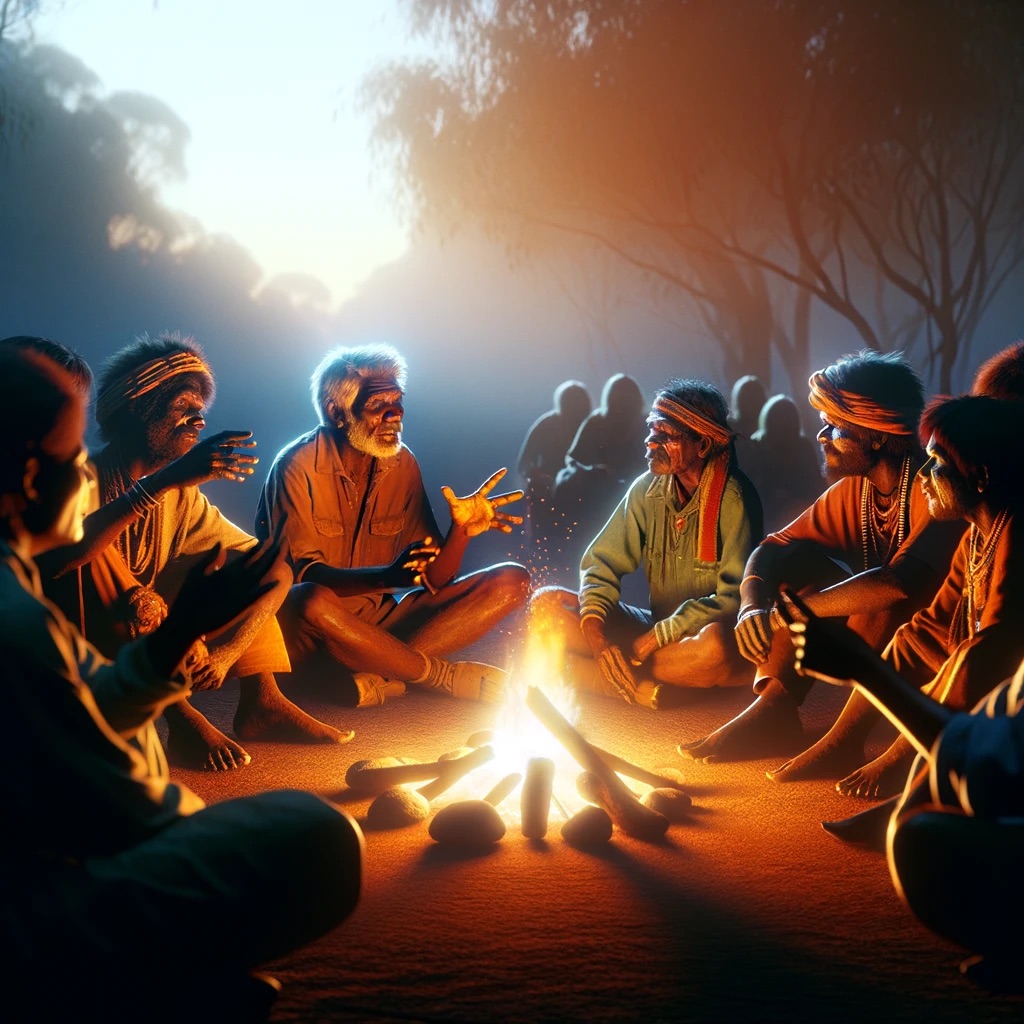
What is important to understand is that some behaviours you observe with the people you support may be related to cultural lores, obligations, hierarchies and relationships. Respecting culture is critical. When someone perceives that their cultural ways of knowing, doing and being are being disrespected, they may try to let you know through their behaviour.
Here are a few examples of how culture may influence responses to different interactions below:

Sandra was actively avoiding engaging with her support worker. The support worker couldn’t understand why. Another worker pointed out that Sandra’s support worker was wearing red nail polish and exposing her shoulders, even though Sandra had previously asked them not to as she was going through ceremony.
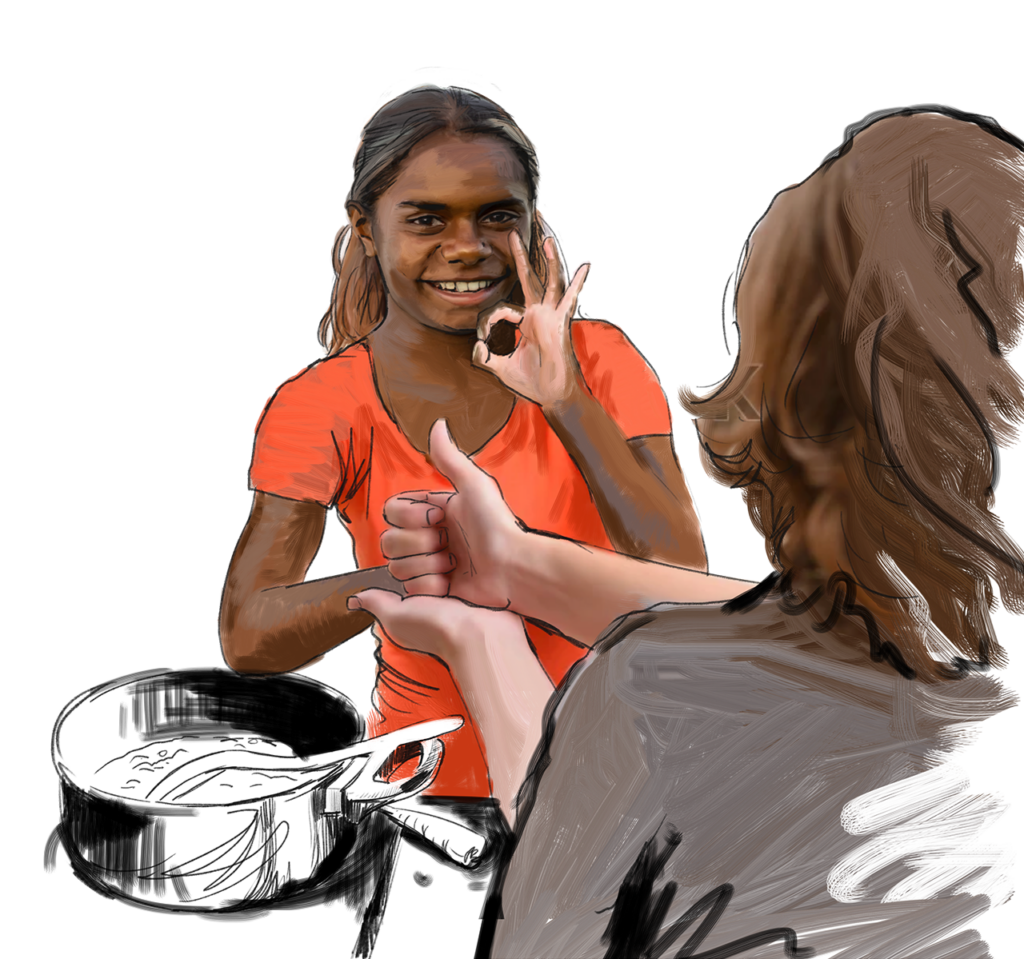
Hope’s Aunty came to visit her in the SIL where she was living. She was very excited to host the Aunty and follow important cultural protocols in this role. This may normally have included making tea for her Aunty and waiting for her Aunty to drink the tea before having any tea herself. But the support worker wasn’t aware of this and proceeded to make tea for everyone, serving herself and Hope before the Aunty. The Aunty felt disrespected and Hope felt shamed by the experience of not fulfilling her hosting responsibilities.The support worker thought it was her job to make the tea and people may think she was being lazy not doing it. However, not allowing Hope to host seriously upset Hope.
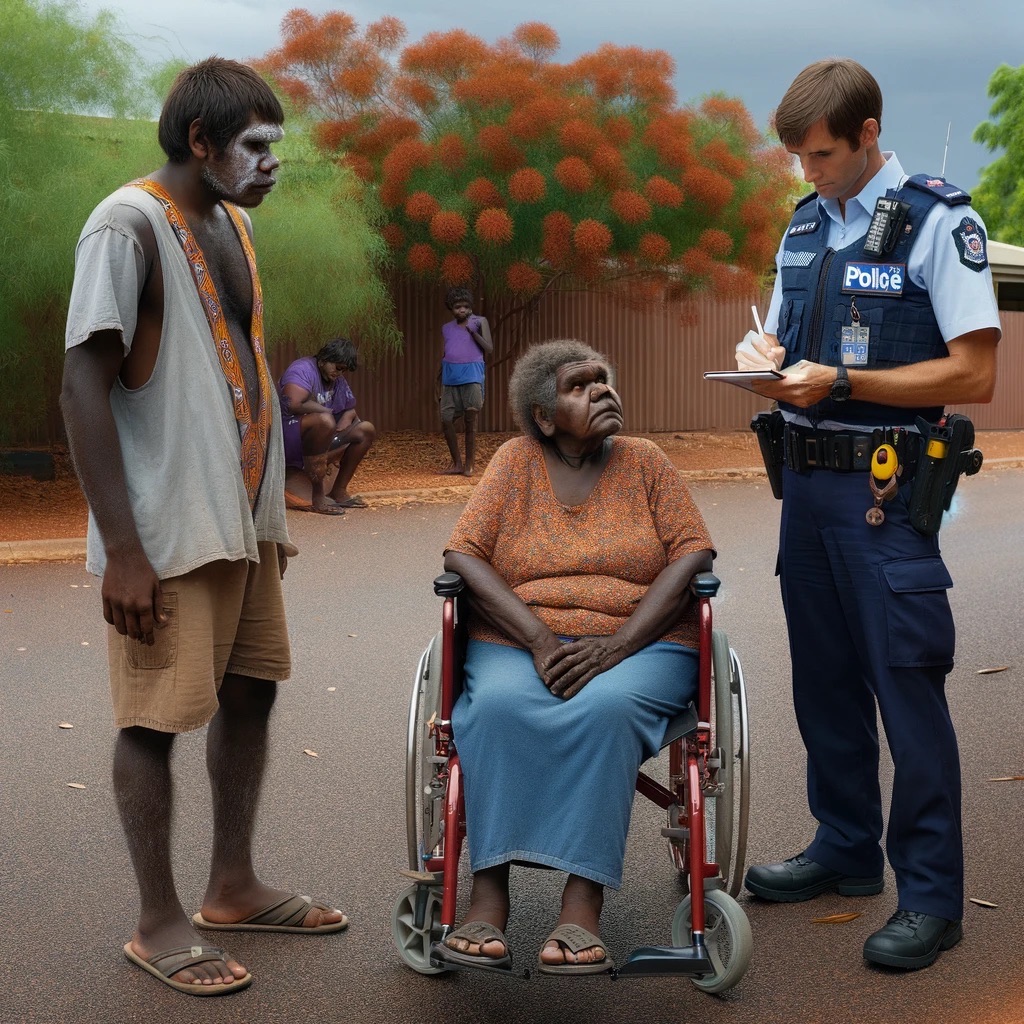
Ali is an experienced support worker who does his best to learn different sign languages to communicate with the people he works with. After working in a remote community, Ali moved into town to work in a SIL. While supporting a young woman who was Deaf, Ali used some of the signs he had learnt in the community. The woman became very agitated. Ali didn’t realise that the sign was ok to use in the community where he learnt it, but had a very different meaning and was taboo for the young woman.
Humbugging - a fine line between fulfilling responsibilities and feeling exploited
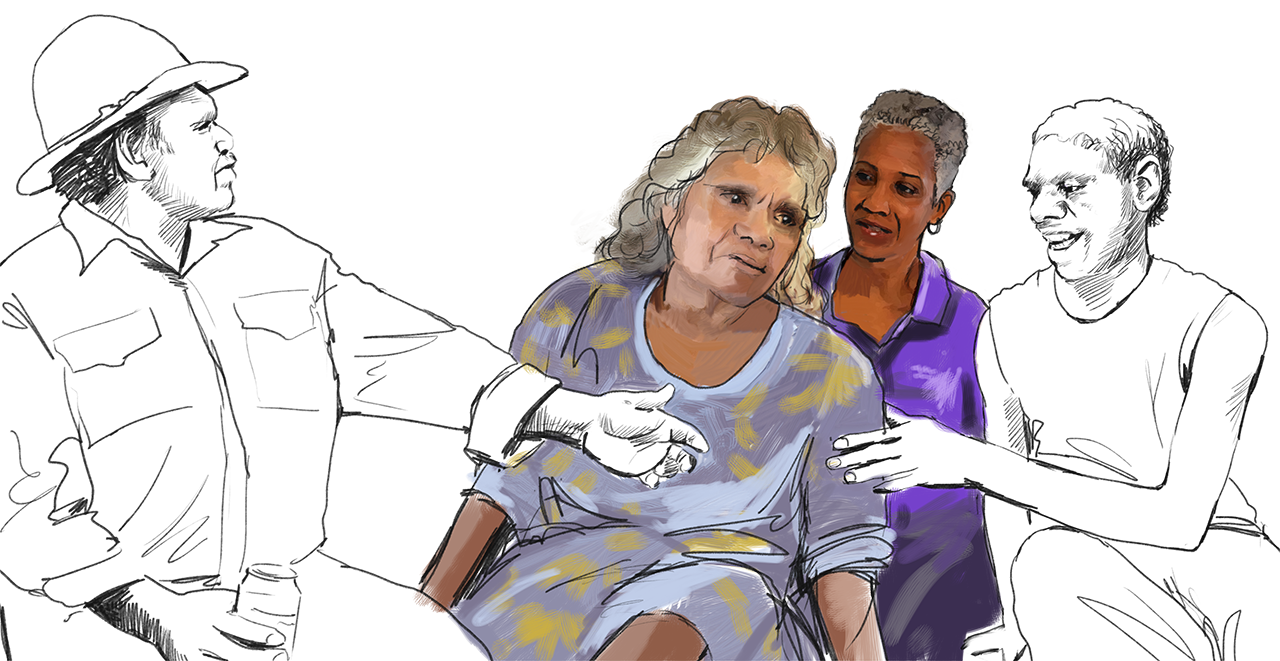
First Nations people who are Deaf and Hard of Hearing continue to have cultural obligations and responsibilities that they must follow, and want to follow. Being able to fulfil these obligations and responsibilities often sits alongside a strong desire to engage with, give back to, and be accepted within their community. This is often demonstrated/communicated through caring and sharing of resources (e.g., belongings, food, money).
However, sometimes these processes can be difficult to navigate and can drift towards exploitation, i.e. humbugging, whereby people are persistently targeted to give to others, sometimes beyond their means.
In contexts where there are issues of poverty and addiction, people with disabilities may be seen as having a more reliable source of income and more vulnerable to humbugging. This may include giving away more of their money or belongings than they can afford or that would normally be culturally expected of them, or, being blamed and accepting responsibility for the actions or wrong doings of others.
Humbugging can influence behaviours in a variety of ways. It may contribute to people avoiding others that they feel will humbug them. Or, if people feel they are not acknowledge for their efforts in giving and sharing, it can create distress and frustration and
Without good supports, humbugging can be very difficult for First Nations people who are Deaf or Hard of Hearing to navigate or culturally be able to say no. Nonetheless, empowering the person you work with to determine their own value of what they can offer and what they need will give them a sense of belonging.
Want to learn more?
Here are few links to more information on Aboriginal ways of knowing, being and doing.
Once you are happy that you have understood this Topic - please select "Mark Complete" above.
To complete the Bina Gurri Yarns Course you must "Complete" all Topics.