Case study
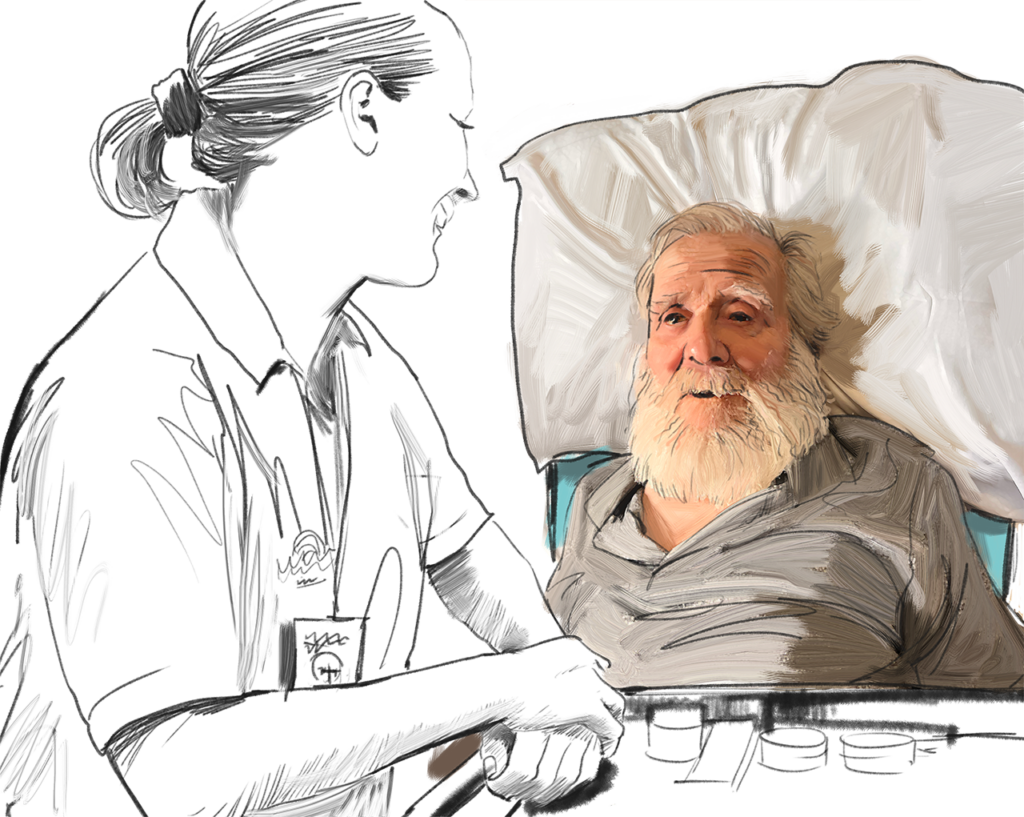
A countryman comes off Country for a medical appointment in the city. They are provided with a spoken language interpreter, but the spoken language interpreter doesn’t have any sign language. The Countryman is then provided with an Auslan interpreter who works with the spoken language interpreter. The Countryman doesn’t speak Auslan, but manages to ‘code switch’ and does his best to try and understand their words or gestures. The interpreters and health worker didn’t realize this is what the Countryman had to do to try and understand what was being communicated to him. Then the countryman returns to the community and ‘code switches’ back to using his local sign language.
After a time, the Auslan interpreter and health worker visits the Countryman on his Country. The interpreter and the health worker think they can use the same signs and communication style that they used when the Countryman attended his appointment in the city. But the signs and gestures that worked ok in the city, have different meanings on Country and were considered offensive. For example the sign for “after” in Auslan was interpreted on this Country as “setting fire” (which is a practice on Country that is only allowed to be done by a few people and is extremely dangerous).
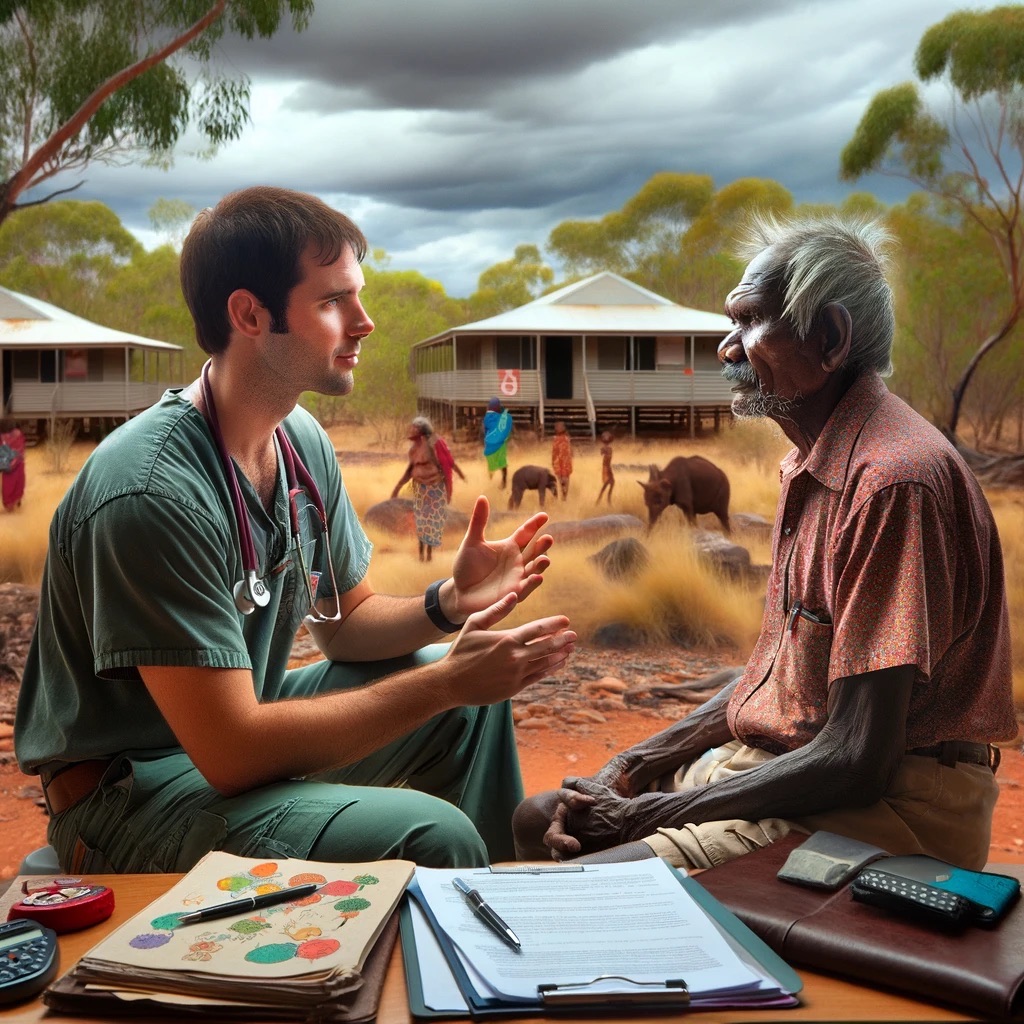
The interpreter and health worker didn’t understand that they had misused culturally bound signs. They just assumed that other Countrymen would interpret their Auslan signs as they thought the Countryman had done in the city. City mob often expect that all Countrymen will be able to do the same and code-switch on or off Country. This is a misconception that can cause confusion.
Code-switching and turn taking becomes problematic when it’s only one way. Often Deaf and Hard of Hearing people do the automatic adjustment of their communication. Hearing people are often unsure and unable to change their communication approach to meet the communication needs of Deaf and Hard of Hearing people, particularly in different contexts (e.g., on and off Country). Constantly having to code-switch between different ways of communicating and between different contexts can be exhausting for First Nations people who are Deaf or Hard of Hearing.
Once you are happy that you have understood this Topic - please select "Mark Complete" above.
To complete the Bina Gurri Yarns Course you must "Complete" all Topics.